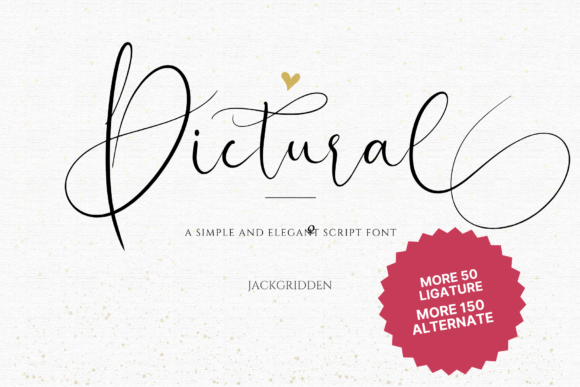
Pictural Font: Elevating Small Business Brand Identity
As a small business owner, I know that every visual touchpoint matters. From the logo on my website header to the thank-you card tucked inside a shipping box, typography communicates my brand’s personality before a customer even reads a single word. Finding a typeface that balances elegance with practical versatility is often the missing link in creating a cohesive brand identity. This is where Pictural comes in. As a sophisticated script font within the Script Amp category, Pictural offers a unique blend of artistic flair and professional reliability that can transform how customers perceive your business.
Defining the Personality of Pictural
Pictural is not just another decorative font; it is a premium display typeface designed to evoke emotion while maintaining clarity. Its style sits comfortably between modern calligraphy and refined handwriting, making it feel personal without appearing messy or amateurish. For entrepreneurs in creative industries, this balance is crucial. You want your branding to feel human and approachable, yet polished enough to command trust.
The mood of Pictural is inherently warm and inviting. It carries an air of boutique sophistication that works exceptionally well for businesses selling handmade goods, artisanal foods, beauty products, or personalized services. Unlike rigid serif fonts or generic sans serif options, Pictural adds a layer of narrative to your design assets. It suggests that there is a real person behind the brand who cares about details, quality, and aesthetics. When used correctly, this creative font signals to your target audience that your product is worth a premium price point because the presentation itself feels curated.
Practical Applications Across Business Touchpoints
The true value of a versatile typeface like Pictural lies in its ability to adapt across various mediums. Consistency builds recognition, and having a font that performs well in both digital and print environments simplifies your workflow. Here is how I have found this typeface most effective in real-world business scenarios:
- Logo Design and Wordmarks: Pictural shines as a primary logotype for boutiques, cafés, and coaching businesses. Its flowing lines create a memorable silhouette that stands out on social media avatars and website headers.
- Product Packaging and Labels: For handmade candle makers or skincare brands, using Pictural for product names on labels adds a luxurious touch. It remains legible at smaller sizes, which is essential for compliance text and ingredient lists when paired with a simpler supporting font.
- Social Media Graphics: On platforms like Instagram and Pinterest, you have seconds to capture attention. Using Pictural for headlines on carousel posts or story overlays creates an immediate visual hook that stops the scroll.
- Customer Experience Materials: Thank-you cards, unboxing stickers, and invoice templates feel significantly more personal when utilizing a handwritten-style font. It turns a transactional moment into a relational one.
- Menus and Signage: For café owners or event planners, Pictural works beautifully for menu headers and chalkboard signage, guiding the eye to specials and categories without overwhelming the reader.
Ensuring Readability in Commercial Settings
While aesthetics are important, functionality drives sales. A beautiful font is useless if your customers cannot read your product name or navigate your website. Pictural is designed with commercial readability in mind, but as a business owner, you must still apply best practices.
When using Pictural for packaging design or web banners, avoid setting long paragraphs in this typeface. Script and display fonts are intended for short bursts of text—headlines, subheads, logos, and accents. For body copy, product descriptions, or policy pages, always pair Pictural with a clean, highly readable sans serif or serif font. This contrast not only improves accessibility but also makes the decorative elements of Pictural pop more effectively.
Consider the viewing environment. A label on a shampoo bottle might get wet or viewed in low light; a social media thumbnail is seen on a tiny mobile screen. Always test your designs at actual size before printing or publishing. If the intricate details of the letterforms disappear at 10pt on a printed sticker, scale up or reserve Pictural for larger format applications like box lids or tote bags. Legibility equals professionalism, and professionalism builds trust.
Strategic Font Pairing for Brand Cohesion
To maximize the impact of Pictural, you need to build a typographic system around it. Relying on a single expressive typeface can make a brand look one-dimensional. Effective font pairing creates hierarchy and guides the customer’s journey through your marketing materials.
For a modern, minimalist aesthetic, pair Pictural with a geometric sans serif font. The clean lines of the sans serif provide a neutral backdrop that allows the organic curves of Pictural to take center stage. This combination works exceptionally well for tech-adjacent creative services, modern bakeries, or lifestyle bloggers. Conversely, pairing Pictural with a classic serif font evokes tradition and heritage. This is ideal for wineries, antique shops, wedding stationers, or luxury spas where a sense of history and established quality is desired.
Remember that your secondary font should handle the heavy lifting regarding information density. Let Pictural be the voice that welcomes the customer, and let your supporting typeface be the guide that provides the necessary details. This division of labor ensures your brand identity remains consistent across your website, email newsletters, and physical products without sacrificing user experience.
Licensing and Commercial Use Considerations
One aspect of typography that many new entrepreneurs overlook is licensing. Before integrating Pictural into your business operations, it is vital to understand the terms of use. Fonts are software, and like any business tool, they require proper authorization for commercial application.
Check whether your license covers all intended uses. A standard desktop license might cover branding and social media graphics, but you may need an extended commercial font license for merchandise, digital downloads, or high-volume product packaging. If you plan to use Pictural in editable templates for clients or as part of a digital product you sell, specific licensing is almost always required. Respecting intellectual property protects your business from legal issues and supports the type designers who create these valuable assets. Always review the End User License Agreement (EULA) provided by the foundry or marketplace where you acquired the font.
Testing Before Full Implementation
Rebranding or refreshing your visual identity is a significant investment of time and money. Before committing to Pictural across every touchpoint, conduct practical tests. Create mockups of your most critical business materials: a business card, an Instagram post, a product label, and a website hero section. View these mockups on different devices and print them out to assess texture and weight.
Ask for feedback from people outside your immediate circle. Do they find the text easy to read? Does the font convey the right mood for your specific industry? Sometimes a typeface that looks stunning in a portfolio sample feels different when applied to your specific content. Taking this extra step ensures that Pictural serves your business goals effectively, helping you build a recognizable, trustworthy, and visually compelling brand that resonates with your customers for years to come.