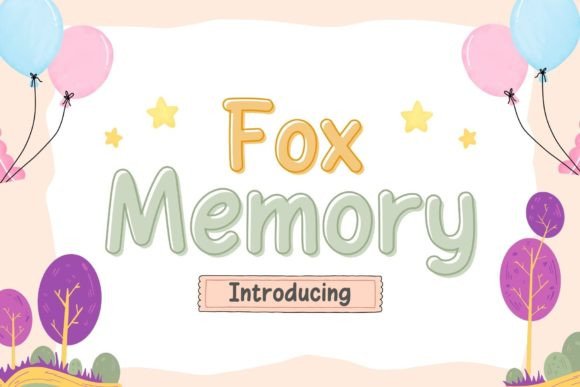
Fox Memory Font: Playful Handwritten Type for Business Branding
As a small business owner, I know that every visual touchpoint matters. From the logo on my website header to the thank-you card tucked inside a shipping box, typography sets the tone before a customer ever reads a single word. Finding a typeface that balances personality with professionalism is often the hardest part of building a brand identity. This is where Fox Memory becomes an invaluable asset. As a cute and playful handwritten font, it offers a unique blend of warmth and versatility that can transform generic business materials into memorable brand experiences.
Fox Memory is not just another decorative script; it is a practical tool for entrepreneurs who want their branding to feel human, approachable, and authentic. Whether you are running a boutique, a bakery, a coaching service, or an online shop, this typeface brings a handcrafted charm that mass-produced fonts simply cannot replicate. Its organic flow suggests care and attention to detail, qualities that customers actively seek when supporting independent businesses.
Elevating Product Packaging and Labels
Packaging is often the first physical interaction a customer has with your brand, and the right font choice can make unboxing feel special. Fox Memory excels in packaging design because its handwritten style mimics personal correspondence. For handmade candle makers, beauty product creators, or artisanal food sellers, using this font on product labels creates an immediate sense of authenticity. It tells the buyer that a real person crafted this item, not a faceless factory.
When applying Fox Memory to product labels, consider using it for specific elements rather than dense text blocks. It works beautifully for product names, flavor descriptions, or short taglines like "Hand-poured with love" or "Small batch." The playful curves draw the eye and create a focal point on the shelf or in a product photo. However, readability is paramount on small surfaces. Always test print your labels at actual size before committing to a full production run. What looks legible on a 27-inch monitor might become illegible on a two-inch jar label. If the intricate details of the handwritten strokes get lost at small sizes, reserve Fox Memory for larger packaging elements like box lids or belly bands, and use a clean sans serif font for ingredients and legal text.
Creating Consistent Social Media Visuals
In the digital space, consistency builds recognition. When scrolling through Instagram or Pinterest, customers should be able to identify your content instantly. Fox Memory serves as an excellent anchor for social media graphics because its distinct personality stands out in crowded feeds. Use it for quote overlays, announcement banners, sale notifications, or story highlights to maintain a cohesive visual language across platforms.
For service-based businesses like photographers, coaches, or consultants, this font adds a layer of approachability to educational content. A carousel post titled "5 Tips for Better Sleep" feels far more inviting in Fox Memory than in a rigid corporate typeface. It softens the delivery of information and aligns with the empathetic nature of service work. When designing for mobile screens, ensure there is ample negative space around the lettering. Handwritten fonts need room to breathe; cramming them into tight corners reduces impact and legibility. Pairing Fox Memory with solid background colors or simple photography allows the typography to shine without competing for attention.
Strengthening Customer Connection Through Print
Beyond products and pixels, Fox Memory shines in customer-facing print materials. Thank-you cards, invoices, and marketing flyers are opportunities to reinforce brand values. A typed note feels transactional, but a message set in a handwritten font feels personal. Using Fox Memory for headers on packing slips or as the primary typeface on greeting cards bridges the gap between digital commerce and human connection.
Consider how this applies to different business models. A café might use Fox Memory for daily specials on a chalkboard-style menu, evoking a cozy, neighborhood vibe. A children’s clothing boutique could use it for birthday club invitations, matching the playful energy of their target demographic. Even professional services can leverage this typeface strategically; a financial advisor targeting young families might use Fox Memory sparingly in newsletter headers to appear more relatable while keeping body copy in a trustworthy serif font. The key is intentionality. Use the font to signal warmth and creativity, but never at the expense of clarity in critical communications.
Strategic Font Pairing for Professional Results
One of the most common mistakes small business owners make is using a display font like Fox Memory for everything. To look professional, you must master font pairing. Fox Memory is a star performer, but it needs a supporting cast. Because it has so much character, it pairs best with neutral, structured typefaces that provide contrast and balance.
- Fox Memory + Clean Sans Serif: This is the safest and most modern combination. Use Fox Memory for headlines, logos, and accents, and pair it with a geometric or humanist sans serif for body text, pricing, and detailed descriptions. The simplicity of the sans serif grounds the playfulness of the script, ensuring your designs remain readable and functional.
- Fox Memory + Classic Serif: For brands wanting a more traditional or elegant aesthetic, pair Fox Memory with a refined serif font. This combination works exceptionally well for wedding stationery, luxury skincare, or heritage brands. The serif adds authority and timelessness, while Fox Memory injects contemporary softness.
- Hierarchy Matters: Establish clear rules for your brand. Decide upfront that Fox Memory will only be used for H1 headers, logo lockups, or call-to-action buttons. Never use it for paragraphs, captions, or fine print. Consistent application prevents visual chaos and makes your brand look deliberately designed rather than haphazardly assembled.
Licensing and Practical Implementation
Before integrating Fox Memory into your business assets, understanding commercial licensing is non-negotiable. As entrepreneurs, we must respect intellectual property and protect our businesses from legal risk. Always verify the specific license terms included with your purchase. Some licenses cover basic commercial use like social media and packaging, while others require extended licenses for merchandise, templates for resale, or high-volume printing.
Treat Fox Memory as a premium design asset within your broader brand system. Download the font files and organize them in your brand kit alongside your color palette and logo variations. Create templates in Canva, Photoshop, or Illustrator that already have Fox Memory styled correctly with proper tracking and leading. This saves time and ensures that every team member or virtual assistant uses the font consistently. Test the font across different mediums—print it out, view it on a phone, see it in natural light. Typography lives in the real world, not just on your design screen. By approaching Fox Memory with both creative enthusiasm and business pragmatism, you can build a brand identity that is as trustworthy as it is charming.